Bed exit sensor
Bed exit sensor for care homes: the alert on the carer’s smartphone
A bed exit sensor reports that a resident is getting out of bed, so that a carer can go and check. This page covers the types of bed exit alarm for a care home, how the infrared bed sensors from Daza work and how the alert reaches the right carer.
Updated
What does a bed exit sensor do?
A bed exit sensor notices that a resident is leaving the bed, or is about to, and passes that on. This matters most at night, when one carer covers several rooms or units.
The sensor does not hold anyone back and does nothing for the resident by itself. It makes sure that a carer knows and can go and check. You will also see it called a bed exit alarm or a bed leaving alarm.
Which types of bed exit alarm are there?
| Type | How it works | What to look out for |
|---|---|---|
| Sensor mat or pressure mat | A mat in the bed or on the floor responds to pressure | Lies in the bed or on the spot where the resident steps out |
| Motion sensor in the room | Responds to movement in part of the room | Also responds to a carer or a visitor |
| Infrared bed sensor | Uses infrared to watch the edge of the bed or the resident in bed | Has to be aimed correctly |
| Camera or smart sensor | Image or radar with software that recognises the situation | Calls for more careful thought about privacy |
Which type fits depends on the resident.
The infrared bed sensors from Daza
Daza makes two infrared sensors for use at the bed. Both work wirelessly with Daza Connect.
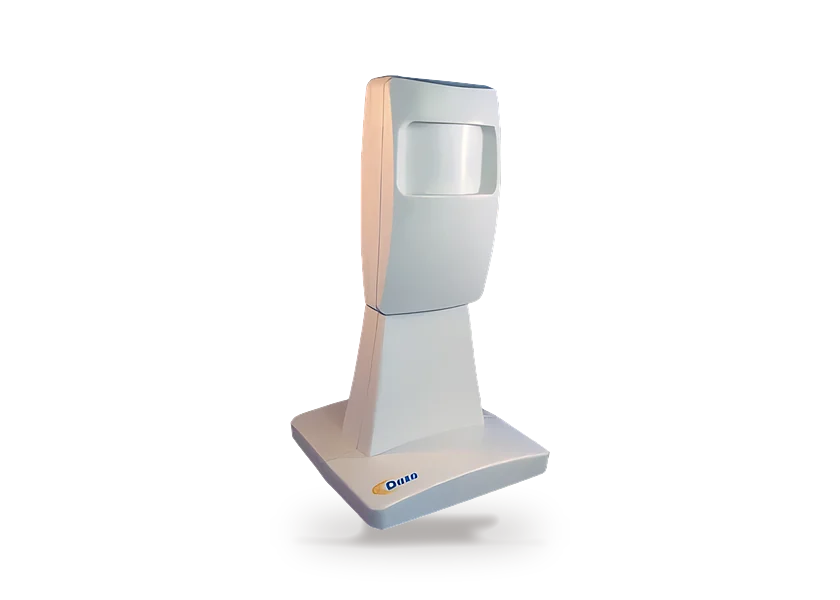
Optiscan
The Optiscan stands beside the bed. As soon as a resident puts their feet on the floor, the alarm is raised: before they stand up. So the carer knows at the moment the resident is sitting on the edge of the bed.
Bedscan
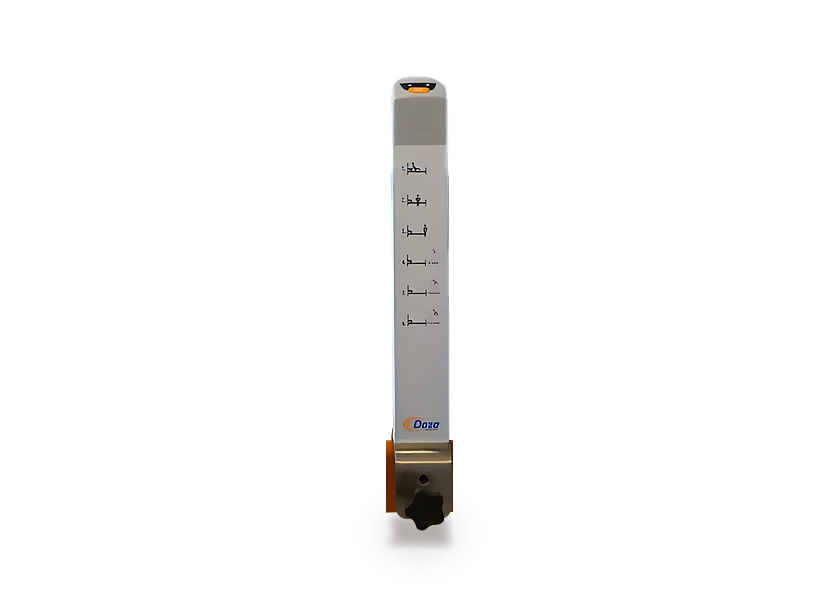
The Bedscan is an infrared bed scanner that raises an alarm as soon as a resident moves to the edge of the bed or gets out of bed. You decide when the alarm is raised: when the resident sits up, sits on the edge of the bed, gets out of bed, or only once they have been out of bed for a number of minutes. This gives a resident who can go to the toilet independently the room to do so, and you only hear about it if they do not come back.
From sensor to smartphone
- The sensor detects. The Optiscan or Bedscan notices that the resident is getting out of bed.
- The alert arrives on the smartphone. Only with the care staff who are monitoring that unit. The alert shows the room and the name of the resident.
- One tap to clear. Colleagues see that the alarm has been picked up.
- Insight afterwards. In the web portal you can see how often and at which hours there were alerts and how quickly they were picked up.
That last point helps when you discuss a resident. If someone gets out of bed around the same hour every night, you can plan their care around it.
Deciding per resident
Not every resident needs a bed exit sensor, and not every resident wants one. A sensor is a form of monitoring. Assess it for each resident, ask for consent in line with your own organisation’s policy and record it in the care plan.
In Daza Connect you switch a sensor on or off per room. That way it is only on where this has been agreed.
What to look for when choosing
- At what moment do you want the alert: sitting on the edge, getting out of bed, or only if someone does not come back?
- Where does the alert arrive, and with whom?
- Can the sensor be moved quickly to another room?
- How many false alerts does the sensor give in your situation? Ask for a trial on one unit.
- What does the system record, and can you use that when you review the care of a resident?
Too many alerts make care staff less alert. Read more about alarm fatigue in care homes.